Pika Labs just pushed its generative video ambitions into a new lane with PikaStream 1.0 (beta): real-time video chat designed for AI agents, less “render me a clip” and more “hop on camera and keep up.” If you’ve been watching the industry pivot from batch-generated videos to live, responsive media, this is Pika planting a flag in the “presence” era.
The confusing part: the name makes it sound like a creator-facing “real-time text-to-video editor.” What’s showing up in early demos is more specific and arguably more disruptive: a live video layer for agent conversations, where an AI can appear on-screen with a face and a voice that respond as the conversation moves.
What PikaStream is
PikaStream 1.0 is a beta feature focused on real-time video chat for AI agents. Instead of generating a finished clip after a prompt, PikaStream aims to generate an ongoing, low-latency video feed that can hold up in a back-and-forth conversation.
Think “FaceTime with an agent,” not “export a cinematic sequence.” The output isn’t a file first, it’s a session.
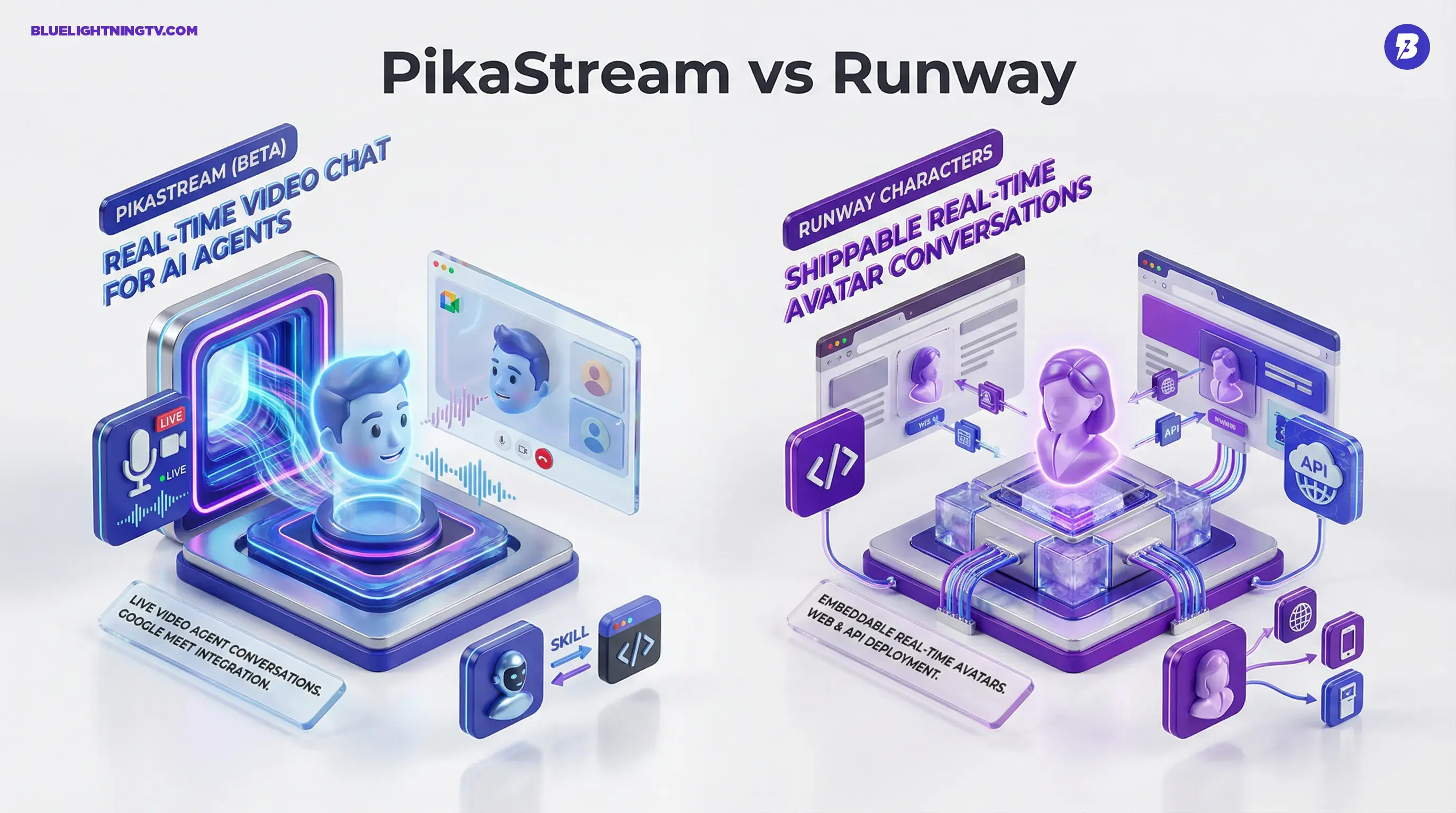
This matters because it puts Pika in direct conversation with a fast-growing category: shippable, interactive avatars and agent front ends. Runway, for example, has already moved in this direction with Runway Characters, a real-time conversational avatar product that can be embedded on the web and integrated via API. If you missed that one, it’s worth reading for context: Runway Characters: Shippable Real-Time Avatar Conversations.
What’s actually new
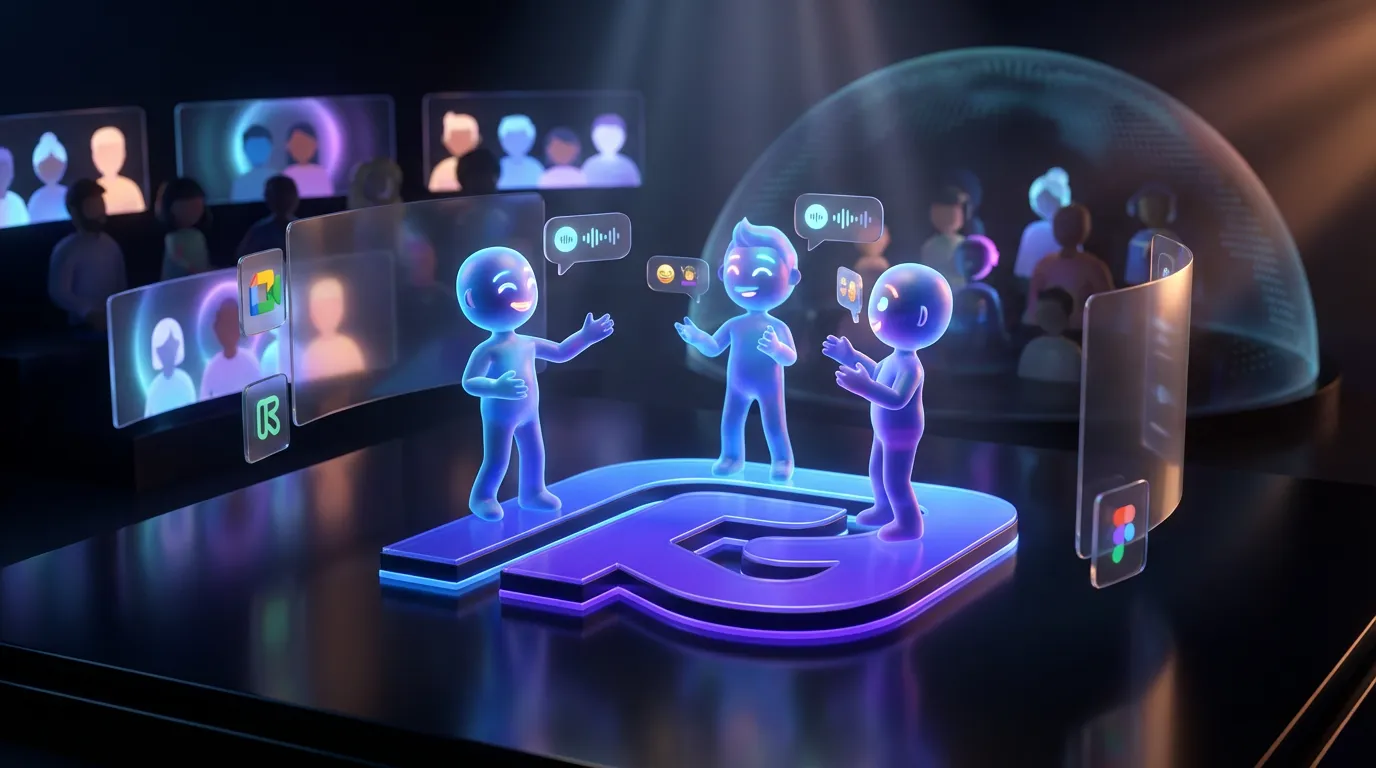
PikaStream’s headline is simple: real-time, expressive video response that’s tight enough to feel conversational rather than “wait, it’s thinking.” Recent posts and demos show agents joining live calls (notably via Google Meet) and presenting as an on-camera persona with voice and animated facial behavior.
One practical detail that matters for builders: Pika has positioned PikaStream as a “skill” for agents, including an open-source integration route via Pika’s skills repository. In other words, this is not just a UI toggle for creators, it’s increasingly an interface layer your agent can run.
Key capabilities shown
- Live video chat behavior: the agent appears present in a call-like format and can join meetings via a link (Google Meet is the commonly demonstrated target right now).
- Session continuity: demos and descriptions emphasize maintaining a consistent persona and conversation context during a session.
- Real-time responsiveness: the core promise is low-latency turn-taking suitable for back-and-forth conversation (real-world performance will vary by load and network).
- Agent compatibility: positioned as something agents can use, not just humans puppeteering a character, with developer-oriented skills integration.
Notice what’s missing from the confirmed story: traditional creator controls like shot lists, camera moves, or timeline editing. That doesn’t mean Pika won’t head there, but in this beta, the product shape looks like video presence first.
Why creators should care
If you only make ads, Shorts, or music visuals, “video chat for agents” might sound like a weird detour. It’s not. It’s a workflow wedge.
Real-time agent video unlocks creator-adjacent formats that are already winning attention:
- Interactive hosts: a character that can introduce segments, react to comments, and keep energy up without cutting 40 versions.
- Brand mascots that answer: not just a cute character, one that can explain the product, qualify leads, or demo features live.
- Live shopping and QVC-ish formats: the internet loves a presentational weirdo with a script. Now the weirdo can be generated and consistent.
- Always-on community NPCs: Discord or website companions that talk, remember, and stay on brand.
The creative shift: we’re moving from “making clips” to “operating characters.” That’s a different kind of production.
How it fits the trend
PikaStream sits inside a broader pattern we’ve been tracking across generative media: latency is becoming the product. Not in a benchmark-guy way, in a “does this kill my momentum?” way.
We’ve seen the same idea show up in coding tools (where speed changes behavior), and we’re now seeing it in video and avatars: when response is fast enough, creators stop planning everything upfront and start steering in the moment.
This is also why “real-time” is a loaded word. Real-time in a demo is easy. Real-time across consumer devices, spotty Wi-Fi, and peak load? That’s where products earn their keep.
Quick comparison table
| Mode | What you get | Best for |
|---|---|---|
| Prompt-to-video | Rendered clips after a wait | Ads, mood pieces, b-roll, sequences |
| Real-time video agent | Live on-camera interaction | Hosts, support, sales, interactive experiences |
| Hybrid future | Live sessions plus exportable outputs | Shows, campaigns, episodic content systems |
The third row is the direction most platforms are aiming at: start live, ship assets. The question is who nails that bridge first without turning it into a buggy science fair.
What’s still unclear
Because PikaStream is in beta and the public info is mostly demo-level, a few practical creator questions remain open:
Latency under pressure
Live avatars live or die on response time. A delay in text chat is forgivable. A delay while a face stares at you like it’s buffering in your soul? That’s a horror genre.
Consistency controls
Creators will want locks: stable identity, stable voice, stable look, stable lighting. If every session drifts, you don’t have a character, you have an improv generator.
Export and reuse
If the output is mainly a live session, creators will immediately ask: can I clip it, repurpose it, and maintain quality? The killer feature won’t be “go live.” It’ll be “go live, then turn the best moments into content.”
How to track access
PikaStream is rolling out as a beta. Recent launch info suggests it is broadly accessible without a formal waitlist, but availability can still vary with capacity and account status. For the most reliable entry points and updates, start with Pika’s hubs: pika.art and Pika’s agent-facing site pika.me. Expect waves, feature shifts, and the usual early-stage reality: some users will get it immediately, others will get throttles and vibes.
The bigger implication
PikaStream isn’t just “Pika, but faster.” It’s Pika hinting that generative video isn’t only about creating footage, it’s about creating presence. When agents can show up with a face and a voice in real time, video becomes an interface, not just a deliverable.
For creators, that opens a new menu of formats that feel native to where attention is going: interactive, responsive, and personality-driven. For teams building tools, it’s a signal that the next battleground isn’t only fidelity, it’s responsiveness, consistency, and deployment.
Bottom line: PikaStream 1.0 beta is an early but meaningful step toward live, agent-powered video interactions, especially in video meeting contexts like Google Meet. If Pika can keep latency low and identity stable, this won’t just be a cool demo, it’ll be a new production primitive creators can actually build around.