
Meta has entered into a licensing agreement with the generative AI startup Midjourney to integrate the company’s “aesthetic technology” into future Meta products and models. The move, first reported on August 22, 2025, underscores Meta’s effort to sharpen the visual quality of AI-generated images and effects across its apps, including Facebook and Instagram. The companies did not disclose financial terms or a rollout timeline, but the plan points to phased integration rather than a single platform-wide switch-on. Reuters and the Financial Times both reported the deal.
What’s in the Deal
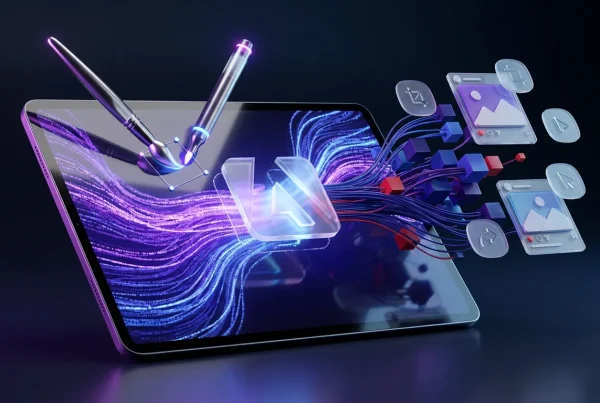
While detailed technical documentation has not been made public, both companies framed the arrangement around aesthetic improvements that can be applied to Meta’s existing and forthcoming AI features. That includes generative image tools, visual effects, and creative assets used by consumers and advertisers. The agreement arrives amid intense competition in consumer-facing AI, where visual fidelity and style control are emerging as key differentiators.
Aesthetic technology. That’s the term both sides used to describe the licensed components, signaling a focus on visual quality, style consistency, and artifact reduction in AI-generated media.
Confirmed and Unconfirmed Elements
| Aspect | Status | Notes/Sources |
|---|---|---|
| Partnership scope: licensing Midjourney “aesthetic technology” | Confirmed | Reuters; Financial Times |
| Financial terms | Undisclosed | No figures publicly shared |
| Timeline for rollout | Not specified | Phased integration expected |
| Products likely affected | Expected | Across Meta’s AI-driven creative tools; details to be announced |
| Acquisition vs. licensing | Licensing | Both reports characterize the deal as licensing, not M&A |
Strategic Context for Meta
Meta has been steadily threading AI-generated media into its social and advertising surfaces. In late 2024, the company began placing AI-generated images directly into user feeds on Facebook and Instagram, with prompts tuned to interests and trends. The push signaled an effort to normalize AI visuals in mainstream social content at scale. The Verge covered the rollout.
On the commercial side, Meta added AI-edited video ad features in October 2024, letting marketers animate stills or expand frames with generative tools. Reporting at the time emphasized the company’s intent to lower production friction and speed iteration for advertisers.
Against that backdrop, licensing Midjourney’s aesthetic capabilities appears aimed at leveling up the underlying quality bar: sharper edges, fewer artifacts, stronger composition, and more consistent adherence to stylistic prompts. Although Meta has not detailed specific feature updates tied to the deal, the partnership is positioned to influence a broad swath of consumer and commercial tools where image generation and augmentation are central.
Midjourney’s Role and Capabilities
Midjourney, founded by David Holz, is known for high-fidelity text-to-image generation and a community-centric product model. Over the past year, updates have focused on coherence, sharpness, and controls that help creators steer outputs toward desired styles. Version 6.1, for example, brought coherence and quality improvements designed to reduce common generative artifacts and better align images to user intent. Midjourney’s update notes describe those refinements.
By licensing elements of Midjourney’s tech, Meta gains access to an established aesthetic layer rather than rebuilding similar capabilities internally. For Midjourney, the arrangement places its approach to style and detail within a larger-scale consumer environment, potentially influencing how billions of users encounter AI-generated visuals on a daily basis.
Why Aesthetics Matter in 2025’s AI Stack
As generative models mature, the battlefront is shifting from “can it generate?” to “how good, how fast, how on-brand?” Aesthetic controls like style prompts that actually hold, clean edge handling, usable typography, realistic lighting, and fewer visual seams are becoming the practical difference between novelty and production-grade assets. For platforms like Meta that mediate massive volumes of images and videos, the cumulative effect of small aesthetic wins can be significant for user experience, creator satisfaction, and ad performance.
Expected Areas of Impact
Meta has not committed to specific product milestones tied to the licensing deal, but the company’s current feature footprint offers a guide to where aesthetic gains would be felt first:
- AI image and sticker generation: Visual sharpness and style consistency are likely targets for improvement across consumer-facing creative tools.
- Background generation and image expansion: Cleaner subject-background boundaries and fewer artifacts would support more credible composites.
- Visual assets in advertising: Higher-quality first-pass outputs could reduce the need for post-processing before ads are production-ready.
- Feed-integrated AI visuals: As AI images appear alongside organic content, reduced artifacting and better composition will influence perceived quality and engagement.
The company has indicated that changes will arrive progressively, suggesting ongoing tuning and A/B testing rather than an immediate wholesale shift in the look and feel of generated media.
Stakeholders and Ecosystem Notes
- Creators and brands: The deal points to a tighter link between prompt-level direction and on-screen results, which matters for consistency and brand expression, though Meta has not announced new controls or policy changes alongside the licensing news.
- Developers and researchers: The tie-up illustrates a broader industry pattern: licensing targeted capabilities from specialized labs to accelerate product quality while internal research continues in parallel.
- End users: As AI visuals are embedded deeper into feeds and messaging, aesthetic improvements are poised to shape everyday visual culture on social platforms.
Competitive Landscape
Large platforms continue to assemble their generative stacks through a mix of in-house research and selective partnerships. For Meta, the Midjourney license sits alongside prior AI feature rollouts in feeds and ad tools, reflecting a strategy to meet users where they already create and consume content.
What to Watch Next
With details still limited, several markers will indicate the depth and pace of integration:
| Signal | What It Would Indicate |
|---|---|
| Visible quality shifts in AI stickers, backgrounds, and image effects | Front-end integration of Midjourney’s aesthetic layer |
| Updates to Meta’s creator or ad product documentation | Formalization of new capabilities and benchmarks |
| Expanded style adherence or new prompt controls | Deeper fusion of aesthetic tech with Meta’s generative models |
| Phased A/B tests surfaced in product notes | Incremental rollout strategy in live environments |
Bottom Line
Meta’s licensing agreement with Midjourney marks a pragmatic swing toward externally sourced aesthetic capabilities at a moment when visual quality has become a frontline differentiator for generative AI. It is not a new application launch; it is a bet that refining the aesthetic layer, including sharpness, consistency, and composition, will lift the overall experience for creators, advertisers, and everyday users across Meta’s ecosystem. The companies have not disclosed timing or terms, but the intent is clear: fold state-of-the-art visual sensibilities into products that already operate at social scale.