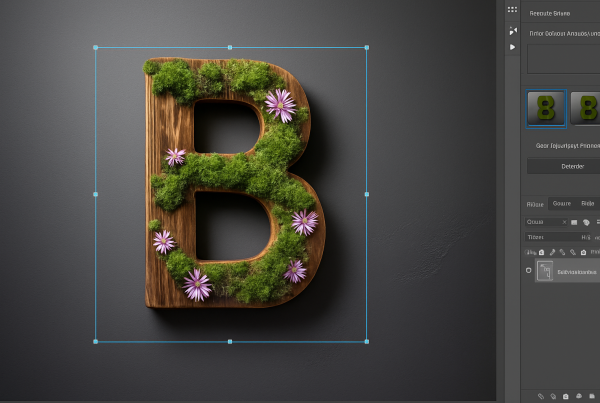

Why Perspective Warp is Your New Best Friend in Photoshop
Ever snapped that perfect photo only to realize the building is leaning like it’s trying to make a break for it? Thanks to Photoshop’s Perspective Warp feature, your days of wrestling with skewed lines are officially over. Whether it’s a cityscape or a product shot, this tool flips reality in your favor with just a few clicks.
The Initial Setup: Get Your Software Game On
First things first: make sure your version of Photoshop is up to the task. Perspective Warp made its debut in Photoshop CC, and you’ll want to have at least 512 megabytes of video RAM to keep those creative juices flowing without a hitch. If the feature’s grayed out, pop into your preferences and double-check that ‘Use Graphics Processor’ is enabled. Because nothing puts a damper on your artistic vibes like technical hiccups.
Laying the Groundwork: Creating Quads
Kick things off by opening a photo—maybe one downloaded from trusty old Shutterstock. Navigate to Edit > Perspective Warp. Here, you’ll create a perspective grid box, known affectionately as a ‘quad.’ Think of quads as the scaffolding for your project’s big makeover. Drag corners, tweak shapes, and make the edges parallel to the perspective of your chosen subject. The shift key is your ally here, helping you maintain shape integrity while elongating edges.
Quad Squad: Perfecting the Perspective
When crafting your masterpiece, you may need more than one quad. Draw additional quads for multiple sides of the object or building; they’ll even snap together like magic when their edges align. Manipulating these quads enables you to match their perspective with architectural features, laying the foundation for adjustments without the mess of manual transformations.
Zoom and Adjust: See the Bigger Picture
If your workspace feels cramped, tap Ctrl (or Command) and the minus key to zoom out, giving your project the room it deserves. Once everything clicks into place, hit that check mark to seal your adjustments, and don’t forget to zoom back in for a close-up review of your handiwork.
The Warp Mode: Fine-Tuning
Step into warp mode by double-clicking Perspective Warp to reveal your quads. You can opt for automatic adjustments, but sometimes it’s more reliable to go manual. Shift-click vertical lines to align them like a savvy maestro. Use icons at the top: one straightens horizontal lines, another both vertical and horizontal. Need a reset? Click the icon that restores the original perspective, offering a safety net for your creative ventures.
Adjusting and Finalizing
Want picture-perfect symmetry? Shift-click the center line connecting your quads and use the H key to hide them momentarily. Alter the perspective by sliding pins to the top or bottom as needed. When it sings “just right,” click that top checkmark to lock the magic in place.
Filling in the Gaps: Smooth Edges with Content-Aware Fill
Finished with radical tweaks, you might notice empty spaces around your photo. In situations like this, Photoshop’s Content-Aware Fill swoops in to save the day. No smart object, no problem—grab a composite snapshot of your work, make your selections, and let Photoshop fill in the blanks with uncanny competence. A quick Ctrl/Command-D deselects, and unifying the layer with your snapshot cements your dream photo.
In a world where straight lines are king, Photoshop’s Perspective Warp Tool is your royal decree. From architectural wonders to monocle-donning cats (who wants a cat with googly eyes?), you now have the power to transform reality intangibly. With a bit of warp magic, you’re no longer just editing photos—you’re architecting reality.
So welcome, creators, to the universal club of digital architects. Where will your newfound perspective take you next?