
Channel Your Inner Gamer: Craft Your Own Game Card Portrait
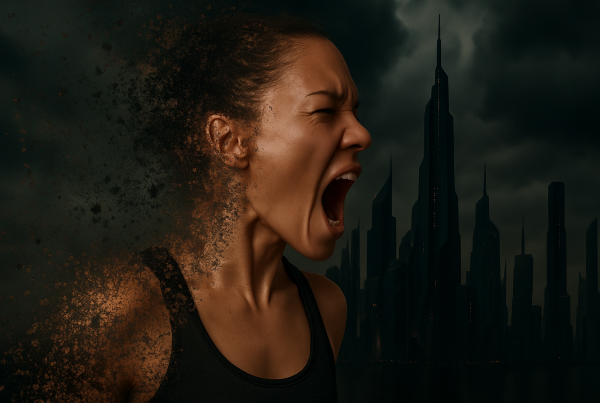
Designing your own game card portrait can be both an entertaining and rewarding creative exercise that taps into your Photoshop skills. If you’ve ever fantasized about seeing yourself—or a friend—with stats and a power rating, this guide is your chance to become a virtual legend. Using a combination of Photoshop’s versatile tools, like the Gradient Map and Filter Gallery, you can create an evocative portrait that screams epicness from every pixel. Are you ready to score some major creative points? Let’s dive into the process and unleash your inner gaming hero!
The Importance of Separating Spaces
To create a striking visual, you’ll start by separating the subject from its background, which allows the character to stand out more prominently—a crucial step in designing game cards. Using Photoshop’s ‘Remove Background’ tool in newer versions (CC 2020 and later), or the ‘Quick Selection Tool’ for older ones, ensures a precise cut-out of your subject. This separation not only brings focus to the character but also allows for versatile background manipulations.
Creating Tabs, Layers, and Smart Choices
Creating a new document tailored to the size of a standard playing card (900×1200 pixels) sets the stage for your digital artwork. Once you’ve placed your subject into this new document, transforming it into a Smart Object allows you to apply effects and make adjustments non-destructively. This is a vital Photoshop technique, as it allows for easy swapping of images without losing any of your hard-earned graphic work.
Step Into Artistic Madness with Filters
Filters like ‘Paint Daubs’ immediately add an artistic flair reminiscent of comic book illustrations, which is often desired in game card aesthetics. This provides your image with stylized sharpness and texture. Later, applying ‘Diffuse Glow’ from the Distort folder infuses your character with a cinematic glow effect—perfect for evoking a mystical vibe.
Gradient Maps: The Secret to Color-Popping Art
Gradient maps transform regular images into dynamic visual spectacles. Applying a gradient helps establish mood through color, and it’s perfect for creating a thematic consistency in your card portrait. By cleverly adding gradient stops with colors like deep reds and vibrant oranges (think hex codes 620000, FF9000, FFC600), you channel the dramatic hues often seen in fantasy worlds.
Building the Fascinating Burst Background
Playing with extruded effects for the background adds the illusion of depth and complexity without cluttering the image. Use guidelines to perfectly centralize your spherical gradient, then apply the ‘Extrude’ filter to create a 3D pyramid effect. Experiment with blend modes like Linear Dodge and Screen to enhance color interactions—this technique is the magic behind making your card feel alive with energy!
The Finishing Touch: Inner and Outer Glow
Design is all about the details! Adding an outer glow in Photoshop brings that final touch of radiance, accentuating the subject’s energy. Whether it’s a fiery halo around your character or a soft illumination, these effects create an impressive visual boundary that immerses the viewer into the narrative of your card.
Framing the Masterpiece
Finalize your card with a sleek border using the Rectangle tool to define your portrait’s perimeters. This not only frames your composition beautifully but also echoes traditional game card designs, giving your piece a professional touch.
Color Customization: Your Digital Palette
Photoshop’s Adjustment Layers for Hue and Saturation or Color Balance lets you tweak color schemes with ease. This flexibility allows you to personalize your project or maintain theme consistency within a series—because who doesn’t love the idea of a personalized deck of game cards?
Crafting your game card portrait is more than just an editing task—it’s a journey into the realm of creativity. Each filter, layer, and color adjustment adds to the narrative, transforming a simple photo into a captivating representation worthy of any gaming legend.
Unleash these techniques and discover the transformative power of Photoshop. Ready, set, game on! For a detailed visual guide, check out the full video tutorial linked above and immerse yourself in the pixellated wonderland of gaming artistry.
Remember: Creativity, much like a quest in your favorite RPG, rewards perseverance and patience. Dive into Photoshop and may your creative quest bring you glory—and perhaps a spot on the world’s digital leaderboard!