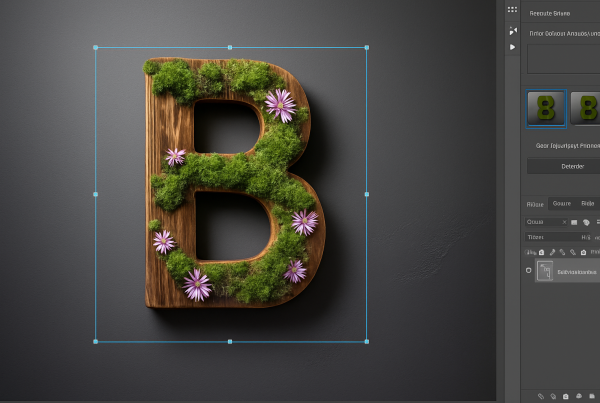

Discover the Magic of 3D Text – No 3D Filter Required!
Ah, the dream of creating eye-popping 3D text effects without the hassle of diving into the 3D filter—something every Photoshop enthusiast has aspired to at some point. The illusion of depth, shadow, and vibrancy can create mind-boggling visual results. And here’s the kicker: you don’t need the 3D filter to achieve these dazzling effects. This guide will take you step-by-step through crafting 3D text with deep shadows and bright reflections in Photoshop, thereby adding an extra layer of pizzazz to your digital creations.
The Preliminary Stage: Setting Up Your Canvas
Kick things off by setting up a new document in Photoshop. A canvas size of 1,550 by 870 pixels at a resolution of 300 pixels per inch works well. Opt for RGB color mode with 8 bits per channel to ensure your colors are as vibrant as you imagine them. Now, prepare for the fun part: filling your new layer with a delicate hint of black. Simply click that new layer button and fill it. This is your launching pad, your digital stage for all that follows.
Harnessing the Power of Lens Flare
Next, weave in a dose of spectacle with the Lens Flare effect. Navigate to Filter > Render > Lens Flare, adjust the brightness to 125%, and choose the 50-300mm Zoom lens type. With a quick drag-and-drop in the preview window, congratulations: you’ve just added a dose of cinematic flair to your design.
Playing with Smart Objects and Gaussian Blur
If you haven’t embraced the functionality of Smart Objects yet, you’re in for a treat. Convert your lens flare into a smart object, and you’re setting yourself up for higher-level editing. From here, head over to Filter > Blur > Gaussian Blur, and set the radius to a cushy 90 pixels—your text is about to glow with understated brilliance.
Time to Shine: Crafting Your Text
Now let’s lay down the character of your design, literally. With the Horizontal Type Tool, pick a font that complements your theme. For this tutorial, we’re working with Agency FB Regular, a font that perfectly balances substance and style. The key here is flexibility; adjust the font size and the overall amount according to your eventual vision.
Magic with Bevel and Emboss
Adding a bevel and emboss to your text layer is where the magic really begins to show. Use an Inner Bevel, Chisel Hard technique, and elevate the effect with settings like Depth at 100% and Size at 3 pixels. Adjust the angle and altitude to get those highlights and shadows just right. Ah, the details that separate the amateur from the artist!
Layering for Depth: Shadows and More Shadows
It’s time to create compelling depth through shadows. While the text remains illuminated, introducing well-placed shadows is key. Here’s where your action script comes in. Hit play on your newly created ‘Shadows’ action set until your shadows reach the magnitude of theatrical grandeur you’d like. Your text should now cast shadows deeper than your cousin’s high school poetry notebook.
Changing Colors with Color Balance
Scroll to the top of your layer stack and add a Color Balance adjustment layer. It’s a playground of colors—midtones, shadows, and highlights all await your creative touch. Explore the shade spectrum to add more character and vibrance to your text.
Conclusion: A Stage Set for Digital Brilliance
Remember, the core of a successful 3D text effect lies in your willingness to experiment and tweak until it perfectly complements your creative vision. From newbie in Photoshop to digital maestro, creating 3D text without a 3D filter is one way to showcase your artistic flair. So open up Photoshop and start crafting textures that would make even the monochrome Mono Lisa blush.
Now that you’ve unlocked the magic of 3D text, what’s next for your creative journey? More exhilarating Photoshop techniques await, each promising to take your designs—and your skills—to unforeseen heights.