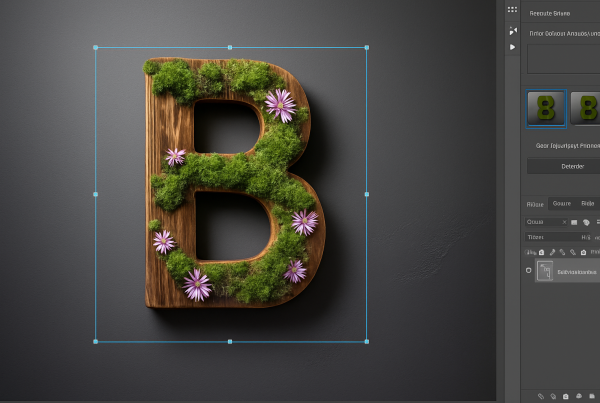

Unleash a New Dimension of Creativity with Photoshop
In the realm of digital artistry, Photoshop is the undisputed champion of extraordinary image manipulation. In this blog post, we’re about to embark on a creative journey, where we’ll learn how to make an image pop out from its frame, accompanied by a shadow that adds a dramatic 3D effect.
Why This Technique Stands Out
Photoshop has evolved significantly over the years, and this pop-out effect has been a favorite among digital artists for providing depth and realism to flat images. By integrating a dynamic shadow, your subject can leap off the screen, creating an engaging visual that captures attention. This post speaks to the creative inside you, yearning for a tool to make your artwork stand out.
Getting Started – The Essentials
To make this tutorial easier, a template is provided that ensures you can follow along with precision. The template features a window shape in perspective, a vital aspect of this technique’s success. For those new to Photoshop, this will be an excellent introduction to layering, masks, and styles.
- Download Template: Located in the video’s description.
- Photo Selection: Begin by selecting an image to work with. For this tutorial, a sample image from Shutterstock was used for demonstration.
Layering the Magic
- Placing Your Image: Open your chosen image and place it onto the template. This step involves activating your Move Tool (shortcut: ‘v’ on the keyboard) and dragging the image into the template.
- Resizing and Positioning: Adjust the image size and opacity. This ensures that your subject extends beyond the window’s borders. Using the Transform Tool (Ctrl/Cmd + T) allows for flexibility in sizing your subject appropriately.
- Selection Mastery: Create a selection of your subject. The Quick Selection Tool is particularly handy here, with a recommended radius of 10 pixels to ensure precision. Remember, the more accurate your selection, the more convincing your final effect.
Refining Your Pop-Out Effect
Through refining techniques like “Refine Edge” or “Select and Mask,” you’re ensuring the edges of your subject remain soft and natural, blending seamlessly with the final visual.
- Create a Subject Layer: Cut and copy your selected subject onto its own layer for more detailed editing, using Ctrl/Cmd + J.
- Layer Masks & Channels: Utilize the Channels panel to make a selection that defines the border for your 3D pop-out effect. This ensures your adjustment layers apply in a controlled manner.
Adding the Drama – Shadow Crafting
- Shadow Layer Creation: Copy the subject’s shape and create a new layer filled with black. This will become the foundation of your shadow.
- Adjust the Shadow: With the Transform Tool, adjust the shadow’s position and size to simulate a real-world shadow effect.
- Blur and Fade: By converting the shadow layer into a Smart Object, you can apply a 6-pixel Gaussian Blur, dulling the sharpness and adding realism. Further refine it by applying gradients to simulate light fall-off as it moves away from the subject.
Bringing It All Together
With layers, masks, and shadows aligned, your subject takes on a life of its own, bursting forth from the confines of its original form. This method not only adds depth but also draws viewers into the moment you’ve captured, enhancing your storytelling through digital art.
This technique is a shining beacon of Photoshop’s capabilities, allowing creativity to flourish. By mastering these steps, your images can transcend the digital canvas, delighting and engaging viewers.
The magic of Photoshop lies not just in what you can do, but how the tools enable your vision to become reality. So dive in, experiment, and uncover the infinite possibilities that await in the world of 3D pop-out effects.