
A Step-by-Step Guide to Mastering Double Exposure Effect
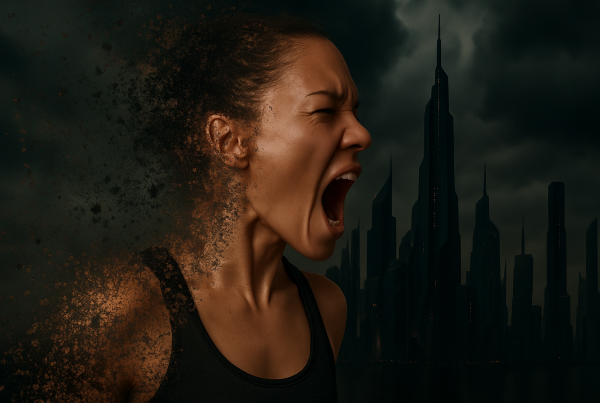
In the ever-evolving world of Adobe Photoshop, few techniques are as captivating as the creation of double exposure portraits. This mesmerizing style has been popularized in photography, film, and art, where two different images are superimposed to create something more meaningful than either of the originals could provide alone. Today, we’re diving into an exciting tutorial on crafting stunning, double exposure graphic portraits using Photoshop. If you’ve ever been intrigued by those eye-catching magazine covers or artistic posters featuring this effect, you’re in for a treat.
Why Are Double Exposures So Enticing?
The allure of double exposure photographs lies in their ability to weave together layers of meaning, making them a favorite among creatives who seek to tell a story or express a concept visually. This technique is not only a fantastic tool for creating artistic imagery, but it also allows for a significant degree of personalization and experimentation. By blending two images, you can evoke emotions, illustrate complex themes, or simply create a visual spectacle that’s hard to ignore.
Begin with the Basics: Choosing the Right Photos
Before diving into Photoshop, it’s critical to select the right images. Begin with a portrait image where one half of the face is in shadow. The contrast in light offers a natural division that’s ideal for blending with a second image. This portrait can be in color or black-and-white; either way, you will eventually convert it into greyscale, emphasizing the light and shadow contrast which is key to creating a successful double exposure.
Setting Up and Preparing Your Project
Once you have your primary image:
1. Convert the Image to Black and White
If it isn’t already in greyscale, use an Adjustment Layer in Photoshop. Select Black & White to drain the colors while maintaining the necessary depth and contrast.
2. Enhance Brightness and Contrast
Utilize the Curves adjustment layer — it’s like your magic wand for luminosity. By clicking Auto, you allow Photoshop to smartly enhance the image’s natural contrast, setting a solid foundation for the double exposure effect.
3. Non-Destructive Editing
It’s always good practice to work non-destructively in Photoshop. Convert your image into a Smart Object. This nifty feature allows you to make changes without permanently affecting the original files.
The Art of Blending: Bringing Images Together
With your image set up in Photoshop:
- Crop and Reposition: Use the Crop Tool to strategically position your portrait image to accommodate the second overlapping image. Set the resolution to ensure flexibility in later modifications.
- Layer It Up: Open your second image (for example, a photograph of a tree, skyline, or abstract design) and place it strategically over your portrait. Reduce its opacity momentarily to align it correctly.
Textures, Blends, and Finishing Touches
As you bring the second image into play:
1. Transparency and Blend Modes
Layer your second image over the portrait and set the blend mode to Overlay. This blending transforms the intricacy of the second image, allowing the tones from both pictures to meld beautifully.
2. Brush Work
Use the Brush Tool to mask or reveal areas of the portrait. This step is crucial as it allows selective areas of light and shadow from the portrait to merge seamlessly with the second image.
3. Painterly Effect
At this stage, adding a brush-inspired filter to the top layer can enhance the combined image. Navigate to Filter → Filter Gallery → Brush Strokes, then experiment with settings like Accented Edges to add artistic flair.
4. Final Adjustments
Use Curves adjustment layers clipped directly to your top layer. This allows you to fine-tune the highlights, midtones, and shadows, ensuring the double exposure effect is striking and balanced.
5. Detailing with Dodging
The Dodge Tool, set to impact midtones, can bring out additional detail in critical areas, elevating the image’s complexity and beauty.
Why Experimentation is Key
Creating a double exposure image is as much about experimentation as it is about following structured steps. Each blend can bring unique surprises, and different images react distinctively with one another, offering endless possibilities for creativity. The beauty of using Smart Objects and Adjustment Layers is in the flexibility they give you to tweak and perfect your art without consequence.
In the digital art world, the double exposure effect remains one of the most challenging yet rewarding techniques. With patience and creativity, you can produce breathtaking portraits that convey depth and emotion. Dive in, experiment, and let your creative juices rule the day. Happy Photoshopping!