
Master the Art of Smoke Portraits with These Photoshop Techniques
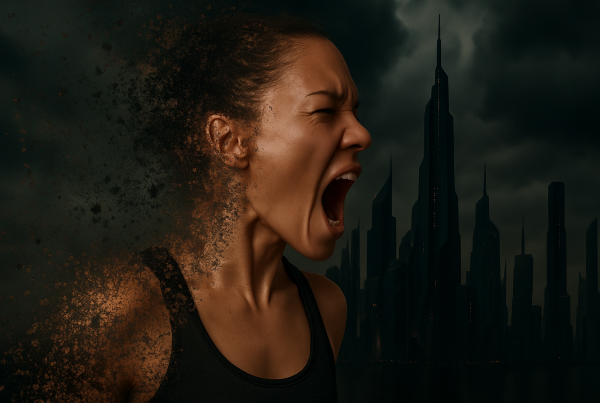
Are you ready to dive into the magical world of digital smoke art? Transform any ordinary portrait into an ethereal masterpiece with our streamlined Photoshop tutorial on creating smoke portraits. Forget about cumbersome processes — our approach demystifies the art by getting rid of unnecessary steps, making it as easy as breathing…smoke? Alright, enough with the puns. Let’s just jump right in.
A Fresh Take on Smoke Portraits
The concept of smoke portraits isn’t entirely new. Indeed, you’ve likely come across several tutorials on this subject. However, the real challenge has always been navigating the labyrinth of steps involved. Our tutorial zeroes in on the essentials, effectively removing redundancies and offering you a clear path to achieving that dreamlike smoky effect.
Why Smoke Portraits, You Ask?
So, why should you even care about this technique? Smoke portraits are not just visually striking; they give your creations a layer of mystery and allure. Plus, the skills you acquire in designing these portraits easily translate to other creative projects. Not to mention, it’s a killer way to up your social media game with unique and engaging content.
Let’s Get Started: The Basic Setup
Before entering this realm of creativity, you’ll need some preparation. First things first: download the custom brush set. This tailor-made brush set is your ticket to authentic smoke visual effects. You can find the link in the video description.
Crafting Your Workspace
- Create a new document (Ctrl/Command + N).
- Set the width to 1920 pixels and height to 1080 pixels for ideal dimensions.
- Use a resolution of 72 pixels per inch — ideal for web-based work.
With your canvas ready, it’s time to dive into Photoshop’s myriad of features and adjustments.
Unveiling the Background Magic
- Click on the adjustment layer icon and choose ‘Gradient’.
- Use a black-white thumbnail and a specific color setting to achieve a vaporous effect suitable for smoke images.
- In the gradient editor, set the style to radial, the angle to 45°, and reverse the settings. Scale it up to around 200% for maximum effect.
Once you set the stage, give the background a warm goodbye by deleting it using the shortcut (or dragging it to the trash in older Photoshop editions).
Bring the Subject into the Light
Choosing a subject is as crucial as the smoke effect itself. Whether it’s a personal photograph or a professionally downloaded image from platforms like Shutterstock, make sure it’s an image you feel represents the essence of your smoke portrait.
- Use the quick selection tool, ideally set around a 10-pixel radius, to effortlessly separate your subject from the background.
- Fine-tune your selection using ‘Select and Mask’ or ‘Refine Edge’, depending on your Photoshop edition.
After you’re satisfied with your subject’s detachment from the background, convert it to a Smart Object via the layers panel.
The Euphoria of Layer Adjustments and Masking
Everyone loves a punch of brightness and contrast, right? With adjustment layers, you can fine-tune the image brightness using preset options like ‘infrared’ in the black and white settings.
Curve it Right
- Use Curve adjustments for tweaking brightness and contrast.
- Clip these adjustments so they affect only the subject, leaving your background pristine.
With these enhancements, your image stands one step closer to being enveloped by the perfect smokescreen.
Smoke and Mirrors: The Brains of the Operation
It’s finally time to blank out your subject with an inverted layer mask. This will pave the way for the smoke to take center stage.
Selective Smoke Revelation
- Access the newly created smoke brushes.
- Choose a brush that complements your subject’s features — starting with the jawline is often a good bet.
- Ensure opacity and flow are set to 100%.
The real magic lies in your ability to manipulate these smoke brushes dynamically.
Fine-Tuning with Smoke Brushes
- Rotate your canvas (using ‘R’ on the keyboard) to ensure the smoke aligns and complements your subject’s angle.
- Use Navigator and brush adjustments for positioning.
Thanks to non-destructive editing, you can rinse and repeat until every wisp of smoke is perfectly placed.
Final Touches: Adding a Personal Flair
To add even more smoke that breaks free from the subject’s shape, create new layers above the current adjustments and revel in free-form smoke placement.
With these techniques, you’re well on your way to mastering the ethereal beauty of smoke portraits.
Whether you’re showcasing a grand design piece or simply elevating your next social media post, smoke portraits mix the elegance of classic art with modern digital techniques. The results are not only visually stunning but offer a little something for everyone who dare to look past the haze—into the mesmerizing world of smoke art. Enjoy creating!