Create a Cinematic Logo with Photoshop’s Powerful Tools
Have you ever felt a tiny thrill from replicating a piece of cinematic magic? Welcome, fellow creative, to the exhilarating world of creating the beautifully designed logo from the movie trailer “Non-Stop”. In this guide, we’re diving deep into the astonishing capabilities of Adobe Photoshop as we recreate a stunningly sleek logo and explore the design universe one pixel at a time. Buckle up; this one’s going to be fun, informative, and just a dash of cinematic style.
Setting the Stage: A New Canvas
To begin your journey into the world of “Non-Stop”, start by creating a new Photoshop document. This initial step is like setting the stage for a masterpiece: choose your width (1920 pixels), height (850 pixels), and keep that resolution cozy at 72 pixels/inch. Remember, the Color Mode should be RGB with 8 bits per channel. Just before we dive in, let’s layer on some anticipation with a plain white backdrop.
The Magic of Layers: Creating the Bent Rectangle
We’re taking a trip into Layer Land, and here’s why it’s cool. Essentially, layers are like individual canvases within your document where you can make magic happen without messing up the rest. Let’s kick it off with a Rounded Rectangle Tool, an unsung hero of design geometry.
Make sure to select a “Path” for your Rounded Rectangle Tool. The dimensions should be 154 pixels in width and 108 in height, and make those corners a delicate 4 pixels radius. Placing the rectangle dead center will help later when our meticulous selection switches and soothing gradients come into play.
Gradient & Emboss: Embodying Cinema Glamour
Enter the Gradient Tool, the brush that paints with the power of light and shadow. We’re choosing a Radial Gradient that eases from a subtle grey to expressive black. The radiating gradient is what gets those cinematic juices flowing, giving logos their depth and charisma.
Now, we take a deep dive into the land of Bevels and Embosses. These are what give logos that sleek, professional vibe—as if conjured by a Hollywood prop artist. Setting tweaks like Inner Bevel with smooth techniques and shadow angles (135 degrees anyone?) bring forth the kind of detail you didn’t know logo dreams were made of.
Building Blocks: Duplicating Layers & Creating Depth
Much like crafting a blockbuster, in Photoshop, sometimes one layer isn’t enough. Duplicate that initial shape and play with its Bevel & Emboss settings to add dimension. Remember, when you duplicate a layer, holding down ‘Shift’ as you manipulate it with the arrow keys ensures it moves seamlessly in line with the original.
It’s this layering, duplicating, and subtle altering of technical settings that lie behind some of your blockbuster favorites. After you’ve adjusted these shapes, converting them to a Smart Object is like minting them in digital bronze—perfect for fine-tuning later without losing any detail.
Great Text Awaits: Typographic Tricks
With our shapes on a centralized stage, it’s time for the characters to emerge. Choosing a bold sans-serif font, like Zurich Cn BT, allows for clarity and strength in the text. At 200 points, these characters are a sight to behold, allowing your message to come across with the same cinematic force as a trailer voiceover.
For that extra touch of magic, adding an Outer Glow effect brings a subtle but impactful aura around each character. It’s this attention to detail that adds an ethereal feel, making your text appear backlit with designer flair.
Attention to Detail: Masking Techniques
Masking is like silent editing, a way to shape and mold without permanent consequences. By selecting regions of your text to mask, you can enhance or conceal as needed, creating that appealing split between flaps of the “Non-Stop” logo. This little trick ensures your text feels embedded into the shapes, just like you’d see in a sleek, modern movie poster.
Enhancing Depth: Textures and Final Touches
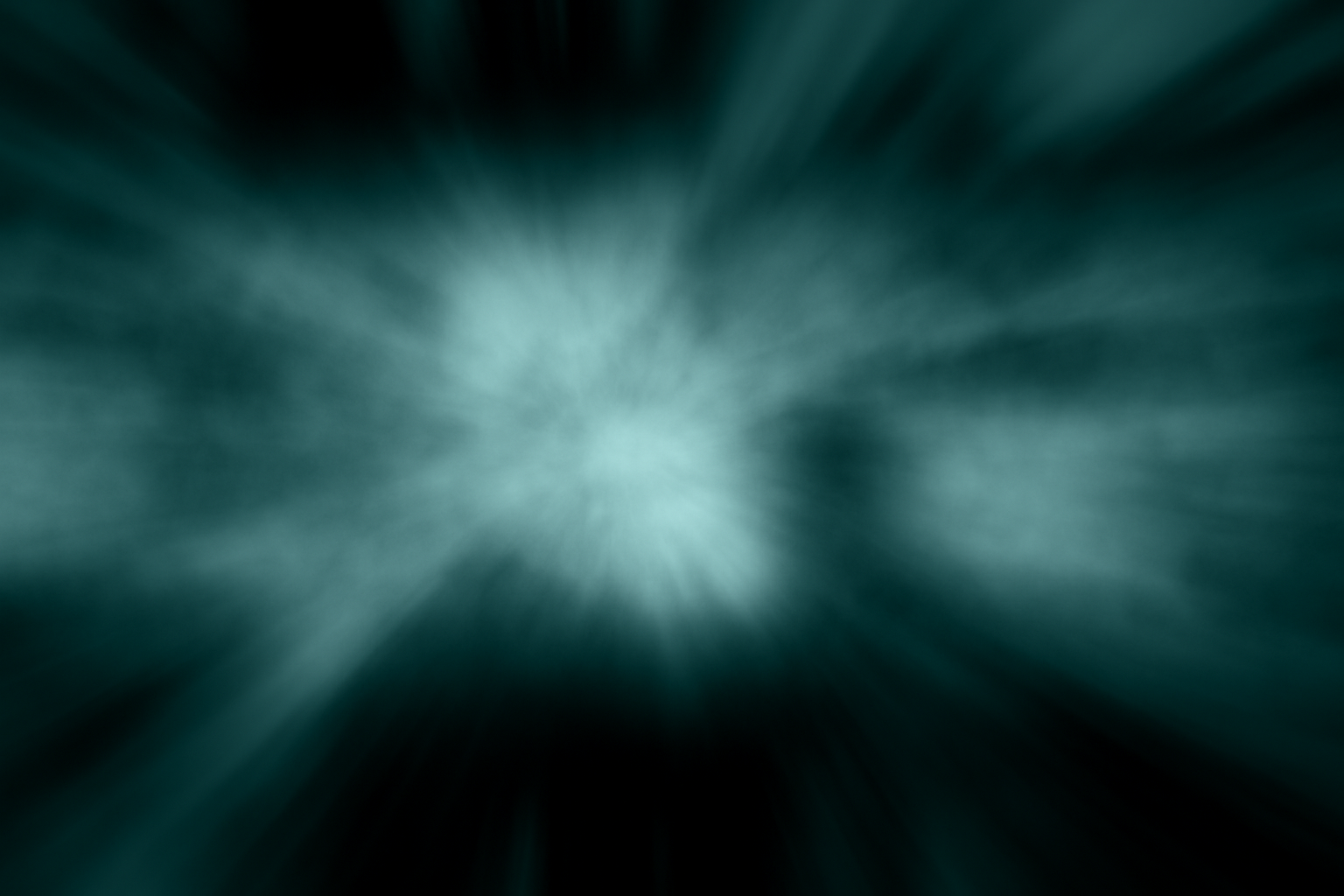
After setting the final mask, it’s time to add the kind of atmospheric elements that ground our design in gritty realism. Using Photoshop’s Filter options like Radial Blur, we add a hint of Zoom. It’s this final sleight of hand that whispers of motion and action, reminiscent of a dramatic trailer effect.
Voilà! With a few adjustments here and there, you’ll have a logo that might just make a movie poster envious.
Designing with the precision and creativity of Hollywood enhances not just your project, but your skills. Embrace the shadows, gradients, and layers—your masterpiece awaits. Let your creative energies soar through the almighty toolset of Adobe Photoshop!