Tencent Releases HunyuanImage‑3.0 Open Source Image Generator
Tencent has open-sourced HunyuanImage‑3.0, an 80B-parameter, Mixture‑of‑Experts native multimodal model for text‑to‑image generation, with public access to inference code and model weights now available on Hugging Face. The release landed September 28, 2025, and marks one of the most ambitious open contributions yet to creator‑focused image AI.
What HunyuanImage‑3.0 Is
HunyuanImage‑3.0 is a native multimodal generative model that treats text and image tokens as a single sequence within an autoregressive framework. In practice, that means the model thinks across words and visuals at once, which is useful when prompts get long, ask for nuanced subject placement, or rely on real‑world context. For creators, the aim is prompt‑faithful, photorealistic imagery with more reliable composition and fewer misses on the details that matter.
Native multimodality is the point: HunyuanImage‑3.0 models text and image jointly, targeting fewer prompt disconnects and stronger compositional control for creators.
Scale and Architecture
The model uses a 64‑expert Mixture‑of‑Experts design totaling 80 billion parameters, with roughly 13B parameters active per token at inference. This approach is intended to balance capacity with efficiency, scaling up expressiveness while keeping runtime within reach of high‑end workstations or production infrastructure. Tencent has also released an instruction‑tuned variant, HunyuanImage‑3.0‑Instruct, designed to tighten intent alignment for brand or narrative use where adherence is critical.
Why This Matters for Creators
For designers, photographers, writers, and small teams building campaigns and pitches, the news is less about a single benchmark win and more about access. Open weights and inference code offer creative studios and startups full transparency and control, useful for fine‑tuning toward a house style, deploying privately for client work, or auditing outputs when compliance is non‑negotiable. It also gives independent creators more room to experiment across genres and storytelling formats without platform lock‑in.
Performance Picture: Strong, But Not the Leader
In our hands-on editorial tests, HunyuanImage‑3.0 produces convincing photorealism and generally good prompt adherence. However, it trails the very top proprietary stacks on subjective image quality and tricky prompt execution. That aligns with a broader pattern in 2025: open models are closing in, but the peak quality tiers are still led by closed systems.
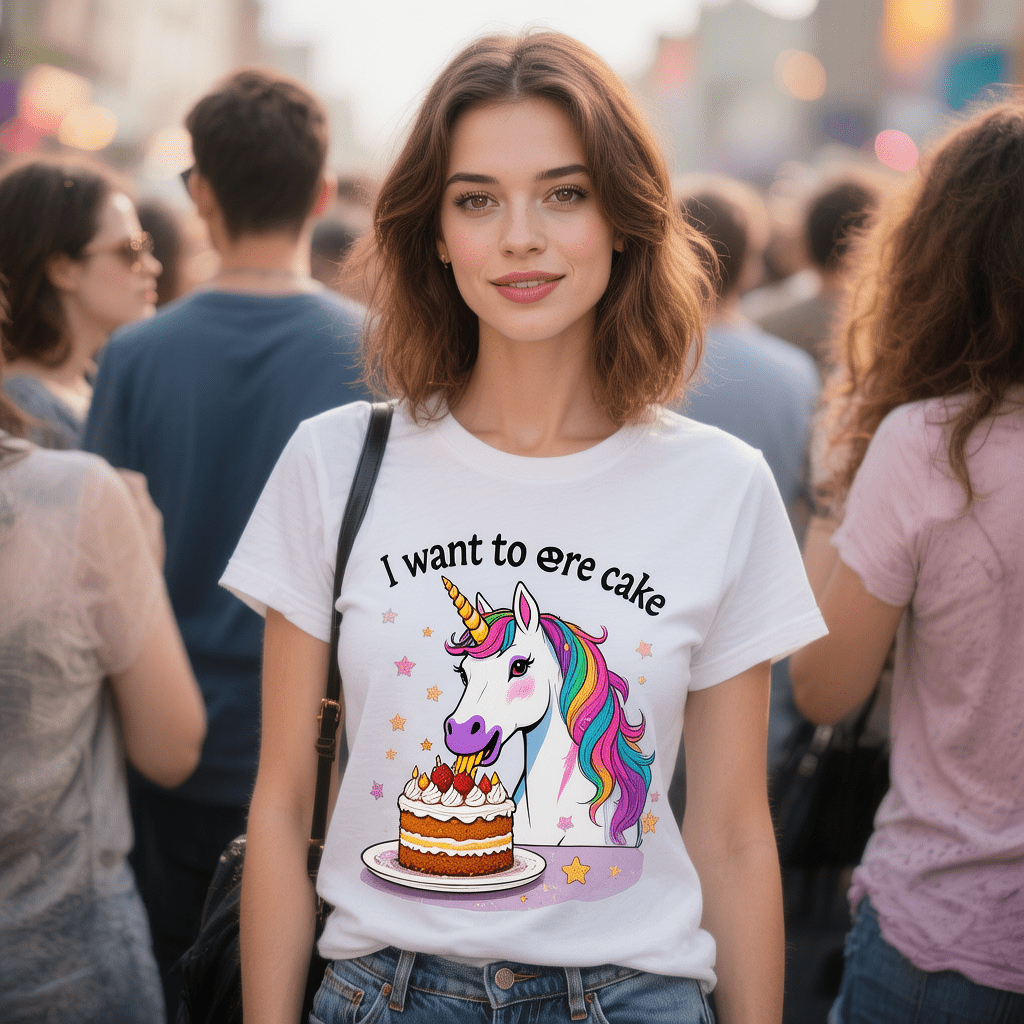
One persistent limitation remains: text rendering inside images. Like most open‑source image models today, HunyuanImage‑3.0 can stumble on small fonts, complex layouts, and multilingual typography. For creators working on posters, ads, or packaging with critical copy, expect to continue leaning on graphic design tools for touch‑ups.
Specs and Practical Implications
| Area | What Tencent Released | Why Creators Should Care |
|---|---|---|
| Model Type | Native multimodal, autoregressive T2I | Better alignment on long, nuanced prompts; more consistent subject placement |
| Scale | 80B total parameters (64‑expert MoE; ~13B active at inference) | High capacity for detail and style variety without fully proprietary lock‑in |
| Openness | Weights + inference code available | Auditability, custom fine‑tuning, and private deployment for client work |
| Variants | Base + Instruct‑tuned model | Choose general creativity or tighter, instruction‑following outputs |
| Hardware Needs | ~170 GB weights; typically 3×80 GB GPUs (4×80 GB recommended) for real‑time | Best suited to studio rigs, cloud workstations, or production infrastructure |
| Text in Images | Improved, but imperfect | Expect manual typography cleanup for brand‑critical deliverables |
Availability and License Notes
HunyuanImage‑3.0 and its Instruct variant are distributed under the Tencent Hunyuan Community License, a custom license intended for broad commercial use with defined conditions around scale and geography. Studios deploying at very large consumer reach or in certain jurisdictions should review terms closely before rollouts. Source code and documentation are hosted on GitHub, alongside the license text.
Ecosystem Context
Tencent’s open rollout fits a larger pattern: major players pushing high‑end creative models into open ecosystems while investing in adjacent 3D and multimodal tooling. Earlier this year, Tencent expanded its open‑source footprint in 3D generation tools, useful context for teams thinking beyond still images toward product shots, previsualization, or animated marketing assets. Reuters reported the company’s broader AI push, signaling deeper investments likely to intersect with creator workflows.
Editorial Read: The Tradeoffs Today
For many creators, the decision matrix is straightforward: proprietary systems may edge out on absolute image quality and complex prompt handling, but open models bring control, from data governance to latency, cost predictability, and brand‑safe fine‑tuning. HunyuanImage‑3.0 lands squarely in that camp. It is not the singular quality champion, yet it is good, and crucially, it is open with a modern architecture that can evolve in the open.
In internal testing, we found that small details—hands, jewelry, off‑axis text—are handled competently, though not flawlessly. Composition across multi‑subject scenes is stable, and photoreal textures are convincing in portraits and lifestyle imagery. Stylized outputs (graphic, painterly) are versatile, but type‑heavy layouts remain a weak spot relative to the best commercial tools.
What to Watch Next
- Instruction‑tuning maturity: Whether the Instruct variant measurably reduces prompt iteration for campaigns and storyboards.
- Community adapters: Style packs, LoRA‑like adapters, and compliance‑friendly fine‑tunes emerging from studios and researchers.
- Toolchain integrations: Deeper hooks into creative apps and asset managers that help teams close the loop from prompt to production.
- Text fidelity advances: Improvements in typography and layout generation, especially for multilingual branding.
For Startups and Solo Builders
Open weights can be a cost and velocity lever. Teams can co‑locate generation with editing, bypass per‑image fees, and tune for a signature look without sending creative briefs to third‑party services. For founders shipping AI‑assisted design apps, access to the full stack (and the ability to profile, cache, and optimize) often matters more than a narrow edge in single‑image benchmarks.
Bottom Line
HunyuanImage‑3.0 is one of the most consequential open releases for visual creators this year: high‑capacity, natively multimodal, and available with weights. It does not dethrone the very best closed models on polish, but it equips studios, agencies, and indie makers with a transparent, extensible system they can own and evolve.
Creators get a credible, production‑oriented open model, strong on realism and alignment, with room for the community to push typography, layout, and style control further.
Where to Learn More
- Model card and downloads: HunyuanImage‑3.0 on Hugging Face
- Code, license, and documentation: HunyuanImage‑3.0 on GitHub
- Broader AI strategy context: Reuters coverage of Tencent’s open‑source 3D tools
Key Takeaways for Creators
- Open, natively multimodal, and large‑scale: An 80B‑parameter, MoE model you can inspect, integrate, and adapt.
- Quality is competitive, not dominant: Strong realism and adherence; still behind top proprietary image systems on edge cases.
- Licensing and hardware matter: Custom license and high VRAM requirements favor studios, startups with infrastructure, and enterprise teams.
- Typography remains the caveat: Expect manual finishing for text‑critical assets like posters and packaging.