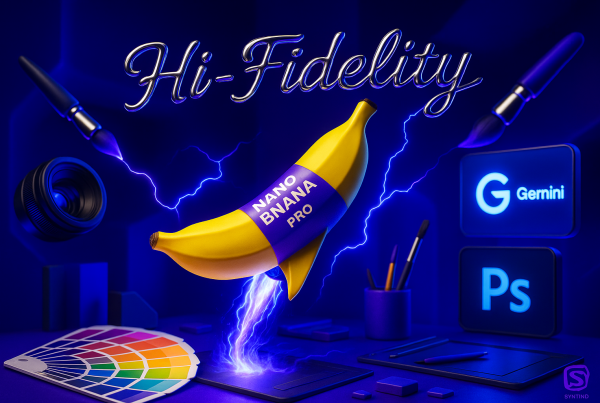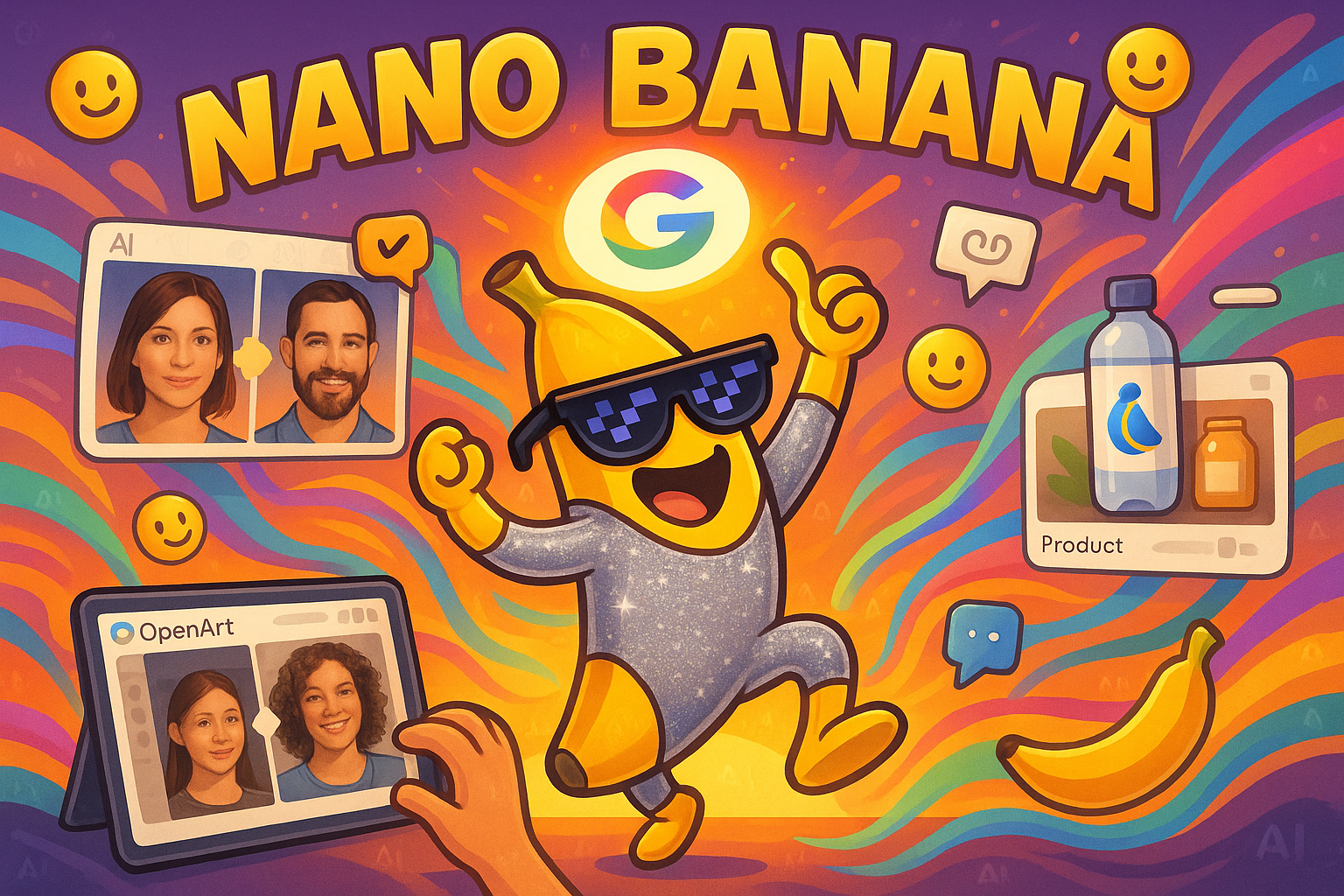
“Nano Banana,” the community nickname for Google’s high-consistency image model inside Gemini, has moved from meme to mainstream. Coverage confirms image generation and multi-step editing inside the Gemini app, with a focus on likeness stability and responsible watermarking practices (Axios).
What “Nano Banana” Actually Refers To
The nickname maps to Google’s updated, high-speed, high-fidelity image model integrated into Gemini. The standout capability is steadier identity and scene consistency across edits and new generations, paired with intuitive prompt-based controls. That combination of speed and stability is driving creator interest and platform adoption.
Key context: The draw is reliability. Workflows that used to drift across iterations are seeing tighter continuity and fewer retries.
Platform Support Accelerates
OpenArt quickly surfaced a dedicated experience, offering prompt-to-image and edit tools directly in the browser (OpenArt’s Nano Banana page). On Google’s side, the model is available in the Gemini app for consumers, while developer and enterprise access is covered in business reporting that details token-based pricing and integration paths (Business Standard).
Roundup: Who’s Saying What
Reporting highlights image generation and multi-step editing in Gemini for consumers, and access through Google’s developer stack for app builders. Coverage also notes visible and invisible watermarking to mark AI involvement, with emphasis on likeness and scene stability that supports series-based content (Axios; Business Standard).
Why It’s Trending: The Internet Effect, Measured
Across social platforms, “Nano Banana” has become shorthand for quick, consistent, and fun edits that do not fight the user. Before and after carousels and A/B tests are helping the story spread beyond the usual creative-tech circles.
- Before and after proof beats hype: Edits that maintain faces, products, and lighting across variations make results feel production-ready.
- Series consistency: Multi-shot campaigns, character sheets, and product sets hold together with fewer retries.
- Meme momentum: The playful nickname and banana emojis have become a common reference point when comparing outputs.
Sentiment tilts positive. Creators see faster approvals and fewer do-overs, while power users continue public comparisons to map strengths and limits across scenarios.
What’s New for Creators, Developers, and Everyday Users
The shift is speed plus stability plus distribution. With the model in Gemini and appearing on creator tools, the impact spans:
- Creators and studios: Identity and scene continuity reduce retouch work for routine changes like wardrobe tweaks, background swaps, and lighting adjustments.
- Marketing and content teams: Series that depend on product or character consistency ship more variations with fewer mismatches.
- Developers and integrators: Business coverage details access via Google’s developer stack, enabling custom workflows and automations for consistent image edits at scale.
- Everyday users: The threshold to try it is low, since it is available in a mainstream app and on a creator-focused web tool.
Signals and Safeguards: Watermarks and Policy
Coverage notes visible watermarks and embedded signals to indicate AI involvement in images created or edited with Gemini. That matters for newsrooms, brands, and platforms that are calibrating disclosure policies and traceability standards (Business Standard).
Availability, Pricing Signals, and Early Economics
Business reporting points to developer and enterprise access through Google’s platform stack along with token-based pricing and approximate per-image costs that help teams plan budgets and compare vendors (Business Standard). Consumer use inside Gemini is straightforward, and third-party tools are adding easy on-ramps.
How the Social Conversation Is Shaping Expectations
Public tests are benchmarking tough cases in real time, including reflective surfaces, hands, small text, and product labels. That feedback loop is pushing rapid updates to UI, prompt controls, and quality-of-life features that help users lock identity and context with fewer adjustments.
Access Points: Where to Try It Today
- Google Gemini: Image generation and multi-step editing are available for consumers, as covered in mainstream reporting (Axios).
- OpenArt: A browser-based page offers prompt-to-image and editing for creators and teams (OpenArt’s Nano Banana page).
The Bottom Line
“Nano Banana” has crossed from meme to market reality. With the model live in the Gemini app and third-party platforms like OpenArt providing accessible entry points, expectations for AI image work are resetting toward fast, consistent outputs with clear disclosure practices and practical paths for both casual creators and enterprise developers. The momentum looks set to grow as official statements and usage data come out, and day-to-day workflows start to benefit from fewer retries and faster approvals.
Disclosure: This is not a sponsored post. Coverage is based on official statements and reputable reports available at the time of publication.