
Unlocking the Artistic Potential of Double Exposure in Photoshop
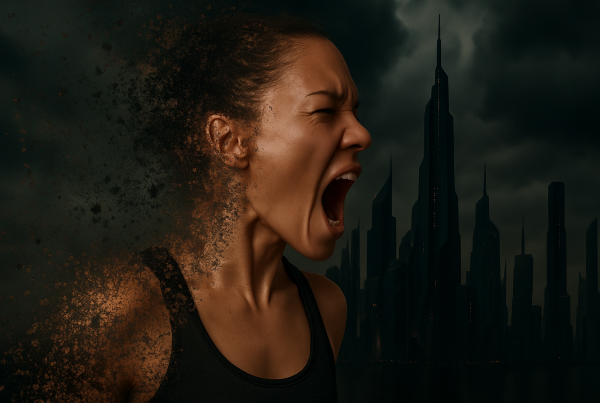
In the mesmerizing world of digital art and photography, the art of double exposure stands as a fascinating technique, fusing two distinct images to craft a new reality. Picture this: merging the ethereal skyline of a bustling city with the striking silhouette of a person. The outcome? A visually captivating narrative that speaks volumes. Today, we’re diving into the creative pool of Adobe Photoshop CS6 and beyond to explore how to create such dramatic double exposure images.
Getting Started: Your Image Selection Matters
Before we dive into the nitty-gritty details, it’s crucial to choose the right images. First, select a background and a subject image. The key to a successful double exposure is ensuring the upper part of the background is white or close to white, and that your subject is backlit to create a striking silhouette. Whether you’re following along with the provided images or using your own, these elements set the stage for a seamless blend.
Layering Your Images
With your images ready, it’s time to combine them. Start by placing the subject image into the background image in Photoshop. This is achieved using the Move Tool (shortcut ‘V’) to drag and drop one image on top of the other. Adjust the opacity to help you align the images better. Oh, and a quick tip: don’t release your mouse until you’re satisfied with the positioning.
Playing with Opacity and Transform
The magic of double exposure lies in the ability to see through layers. Lower the opacity of your top layer to find the optimal positioning of your images. Align your subject’s silhouette with a key part of the background—perhaps the sun setting amidst the skyscrapers—and use the Transform Tool (Ctrl/Cmd + T) to resize and rotate as needed. Manipulating this parameter until it sings in alignment is where half the fun lies! Press Enter to cement your layout.
Seamless Selections: Highlighting Key Areas
We’re about to get selection-savvy. Use the Quick Selection Tool to highlight the sky or other significant areas in your background image. This selection can then be refined using the ‘Select and Mask’ feature, or ‘Refine Edge’ for older Photoshop versions. Save this selection; it’ll come in handy later when perfecting the intricate details.
Meanwhile, make another selection around your subject. Depending on your Photoshop version, ‘Focus Area’ selection might offer a superior result, particularly with out-of-focus backgrounds. This feature hones in on parts of the image in sharpest focus, making it easier to isolate your subject.
Masking and Blending
With selections made, apply a Layer Mask to your top image. Change the blend mode of this layer to ‘Screen’ to merge the images more cohesively. This technique lets you experiment with dynamic interactions between photos, adding depth and intrigue.
Polishing the Look with Color Correction
Photoshop’s Color Lookup adjustments, specifically the 3D LUT presets, are your best friend in this process. These cinematic tools, such as ‘latesunset.3dl’, overlay rich tones across your images. And don’t shy away from experimenting with LUTs to capture the exact ambiance you envision.
Strategic Darkening and Bright Flares
Let’s delve a little deeper and add some drama to your scene. Darken the bottom of the cityscape—drawing viewers’ eyes toward the center of your image. The Gradient Tool is perfect for smoothly transitioning from dark streets to a lighter horizon.
Looking to infuse more life? Add a sun flare where horizon meets sky. A soft, large brush with reduced opacity gives the optimal touch. This sparkle of light invokes a sense of warmth and whimsy in your otherwise stark composition.
The Final Touches
Before sending your masterpiece out into the world, inspect details that might need slight corrections. Any unwelcome lines at the top of your subject can disappear with a quick brushstroke. Use the Eyedropper Tool to match the surrounding color, ensuring everything blends seamlessly.
The Endgame: Polishing Your Image
Finally, it’s time to composite your layered work into a single snapshot and refine it. Employ your selection tools cleverly to tweak minor imperfections, making your blending immaculate. Pay special attention to any transitions between elements, refining them to produce a cohesive, striking visual piece.
Voilà! You’ve successfully turned your visions into a dreamlike double exposure image using the magic of Photoshop. Whether it’s for a client project, your portfolio, or simply to boost your creative prowess, mastering this technique equips you with a powerful tool in the digital art arsenal.
And remember, in the world of double exposure, there are no rules—just endless possibilities to explore creative narratives. Happy Photoshopping!